The Journey of Quinoa: From the Andean Highlands to the World
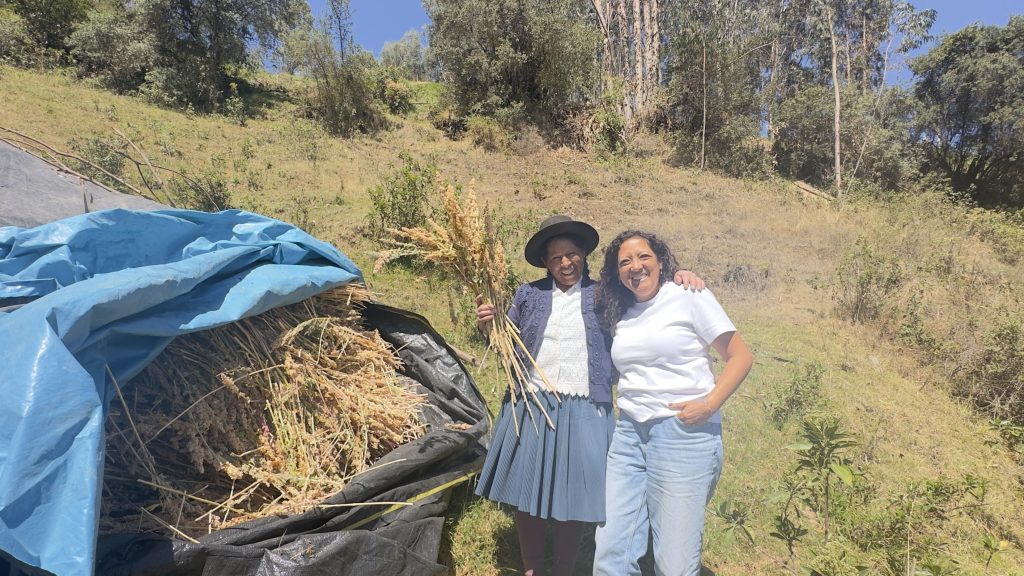
In September 2026, we had the privilege of travelling to Peru and visiting the Andean highlands, the birthplace of quinoa and the home of the Andean grains. Here, crops grow above 2,500 metres, and in some areas, above 3,800 metres. The altitude tested us at first, but we recovered quickly, and it gave us an even deeper respect for the people who work this land every day.
The story of quinoa is the story of these families. They wake before sunrise, work together through ancient traditions of mutual support, and transform a resilient crop into one of the world’s most valued superfoods.
How Quinoa Changed Lives
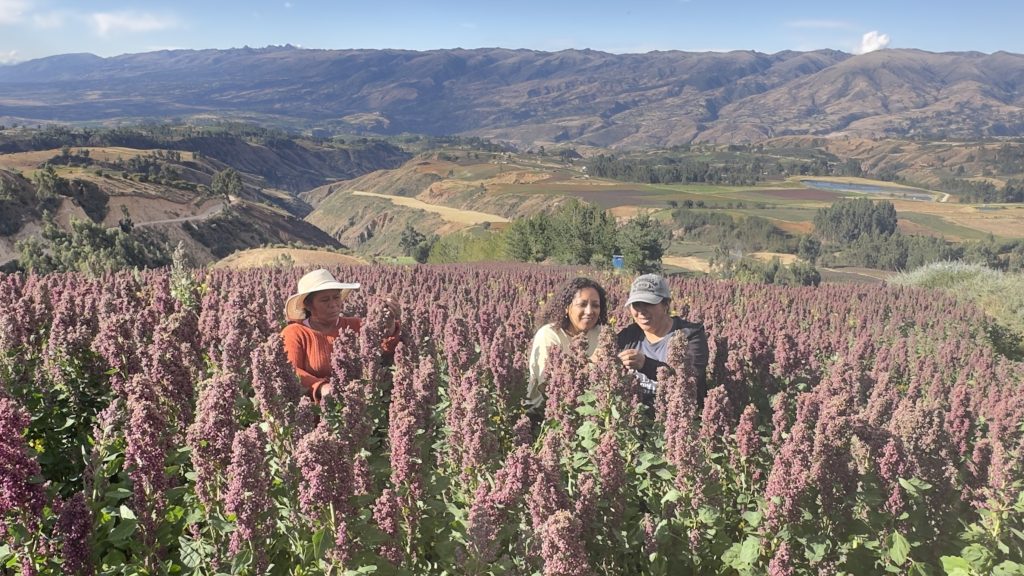
For many farming communities, quinoa has been transformative. We met Katerina and Paulina and their families, whose households once depended mainly on potatoes for their income.
Today, quinoa is their most important crop. It has brought greater economic stability and helps give their children the opportunity to attend school and build a brighter future.
Like many Andean families, they also raise their own animals, cultivate other crops and take an active part in the community organisations that coordinate agricultural work across the region.
Strong Communities, Strong Harvests
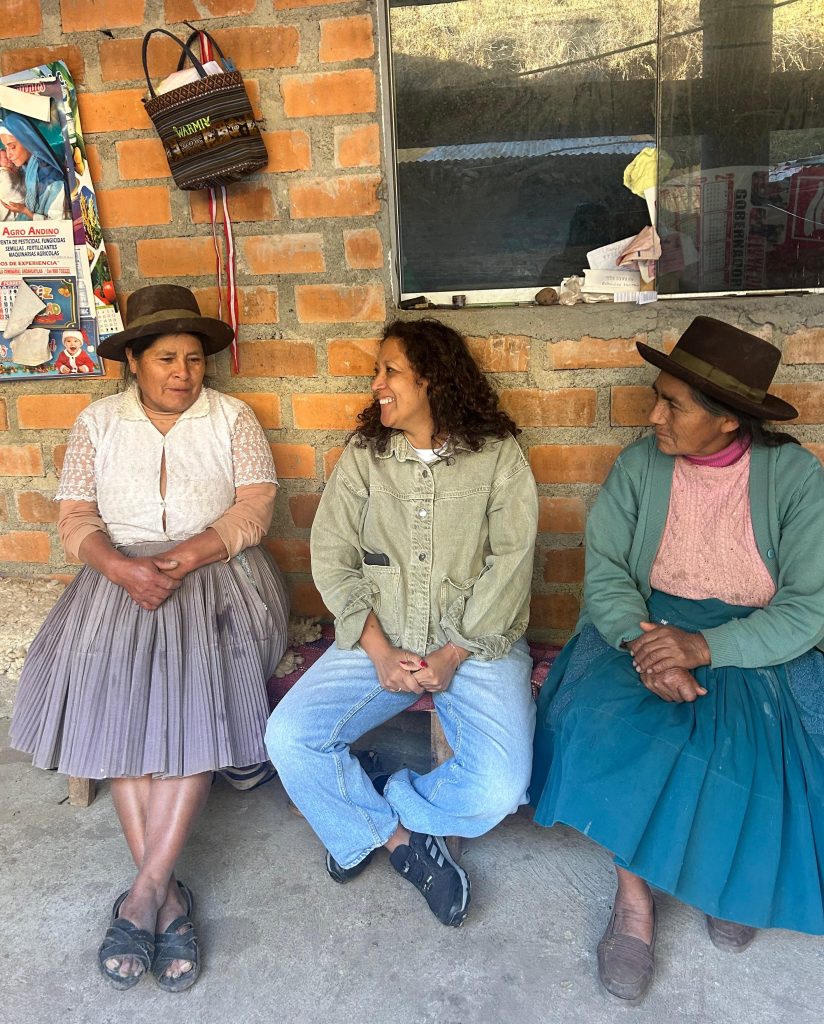
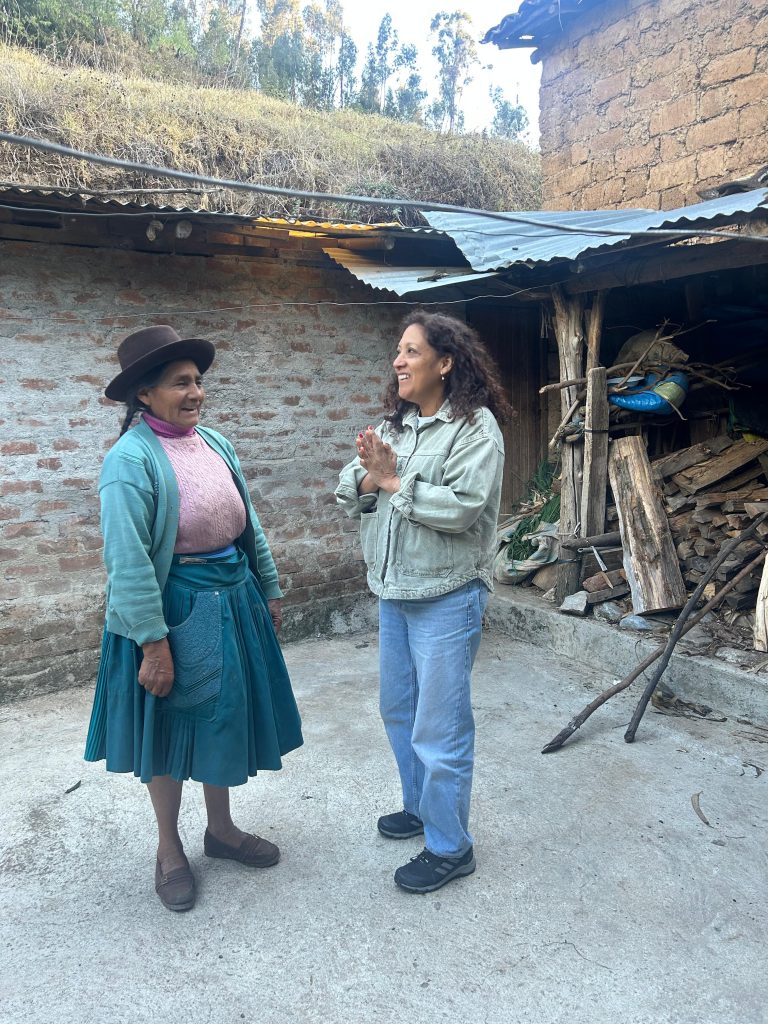
Andean communities are highly organised. Each community is divided into committees, and every committee is represented by a community leader.
Together, they coordinate planting, harvesting, irrigation and collective work that benefits all members.
When a family lacks hands during planting or harvest, neighbours, relatives and community members come together to help.
This tradition of mutual support has been preserved for generations and remains essential for farming families today.
A Day in the Life of a Quinoa Farming Family
During harvest season, the day begins long before sunrise.
| Time | Moment | What happens |
| 4:00 AM | Preparing for the day | The household is already awake, cooking meals to sustain a long day of work: pallar beans, lentils, potatoes, local grains, and vegetables. A warm lentil soup is often made before leaving for the fields. |
| 7:00 AM | Breakfast together | The whole family gathers to eat, plan the day, and share out responsibilities in the field. |
| 7:30 AM | Work begins | Men, women, and older children head to the quinoa fields, each with tasks that change with the season. |
| 10:30 AM | Short break | About twenty minutes of rest. Some drink chicha; others chew coca leaves, a long-standing Andean practice that helps with altitude and physical effort. |
| 12:00 PM | Lunch in the field | Shared directly in the fields: quinoa with chicken, seco de res (slow-cooked beef stew), rice and legumes, fresh vegetables and local potatoes. Everybody contributes. |
Women are often responsible for seed selection, planting, weeding, harvesting, food preparation, and post-harvest work. Men commonly handle land preparation, transport, machinery, irrigation, market logistics and heavy field work.
In reality, every successful harvest depends on the whole family. Food, work and responsibility are shared.
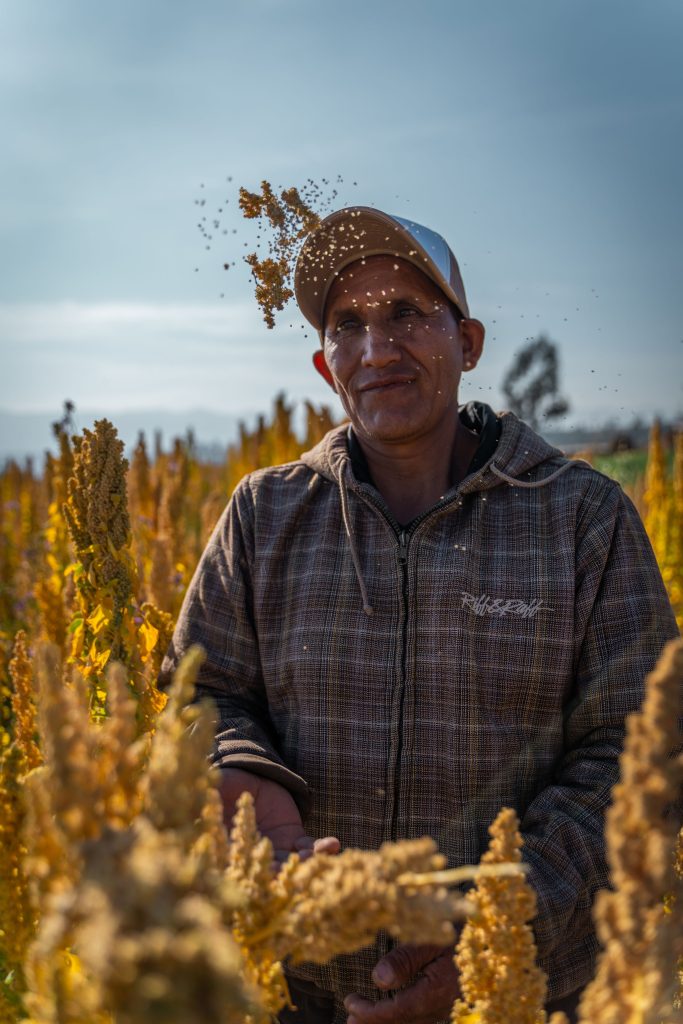
From Field to the World
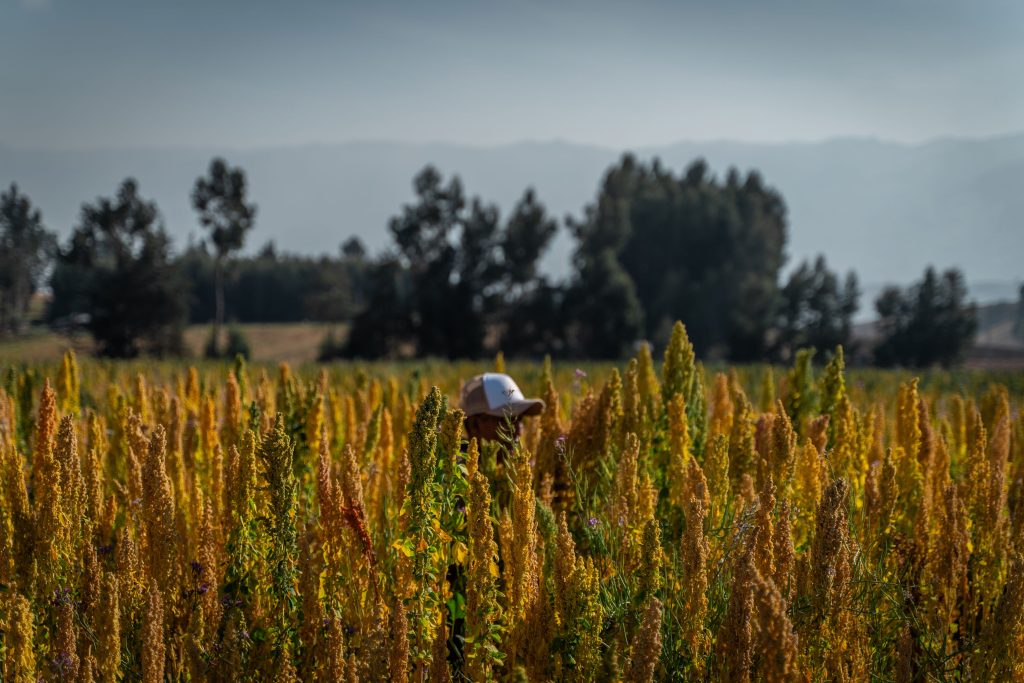
- Growing. The cycle starts with carefully selected seeds. Using knowledge passed down through generations, farmers choose varieties adapted to local soils, climate and altitude. Intense mountain sunlight and cool nights shape the crop’s unique nutritional profile.
- Field management. Throughout the season, farmers remove weeds, manage soil fertility and protect plant health as the weather changes. Many families also grow broad beans (habas), potatoes and maize for food security and extra income.
- Harvesting. At maturity, plants are cut and gathered carefully to protect grain quality and minimise losses. Timing is critical: the grain must be harvested at its optimal stage.
- Drying. The plants are dried naturally, preserving quality and preparing the crop for threshing.
- Threshing. The grains are separated from the plant. At this stage they still contain stems, leaves, dust and other natural impurities.
- Cleaning and destoning. Specialised equipment removes dust, plant residues, husks, small stones and foreign materials. Destoning is essential for product safety.
- Saponin removal. Quinoa naturally contains saponins, compounds that protect the plant but taste bitter. Controlled washing and polishing remove them while preserving the grain’s nutritional value, turning quinoa into the mild, versatile ingredient known worldwide.
- Optical sorting. High-speed cameras inspect every grain, removing discoloured seeds, damaged kernels, foreign materials and visual defects for exceptional purity and consistency.
- Quality control. Every batch is verified before release: moisture, purity, grain size, microbiological safety, heavy metals and traceability. Only quinoa that meets strict specifications moves on to packaging.
- Packaging and export. The finished quinoa is packed under controlled conditions to preserve freshness and quality, ready to travel from the highlands of Peru to food manufacturers, retailers, brands and consumers worldwide.
Our Commitment at NH Superfoods
At NH Superfoods, we work closely with trusted farming communities and processing partners to ensure every batch meets European standards for food safety, traceability, consistency and quality. From seed selection to the final packaged grain, every step is monitored to preserve the natural integrity of this exceptional crop.
Our quinoa is:
- 100% natural
- Carefully sourced from the Peruvian Andes
- Fully traceable from origin to shipment
- Processed under strict food safety standards
- Available in conventional and organic options
- Supported by complete technical and quality documentation
We believe great ingredients start with great relationships. By building long-term partnerships with farmers and customers alike, and combining responsible sourcing, food safety and transparent supply chains, we make sure premium Andean ingredients deliver value from origin to market.
Why Quinoa: 5 Key Properties
- Complete plant protein: contains all nine essential amino acids.
- Naturally gluten-free: suitable for coeliac and free-from ranges.
- Rich in fibre: supports digestive health and satiety.
- Mineral-dense: a source of magnesium, iron, phosphorus and manganese.
- Natural antioxidants and a moderate glycaemic index: well positioned for health and wellness products.
One Grain, Many Uses
| Format | Applications |
| Whole grain (white, red, black, tricolor) | Bowls, salads, ready meals, rice alternative |
| Flour | Gluten-free bakery and pasta |
| Flakes and popped quinoa | Breakfast cereals, bars, snacks |
| Protein ingredient | Plant-based and sports nutrition |
| Amaranth | Popped, flour, infant and breakfast foods |
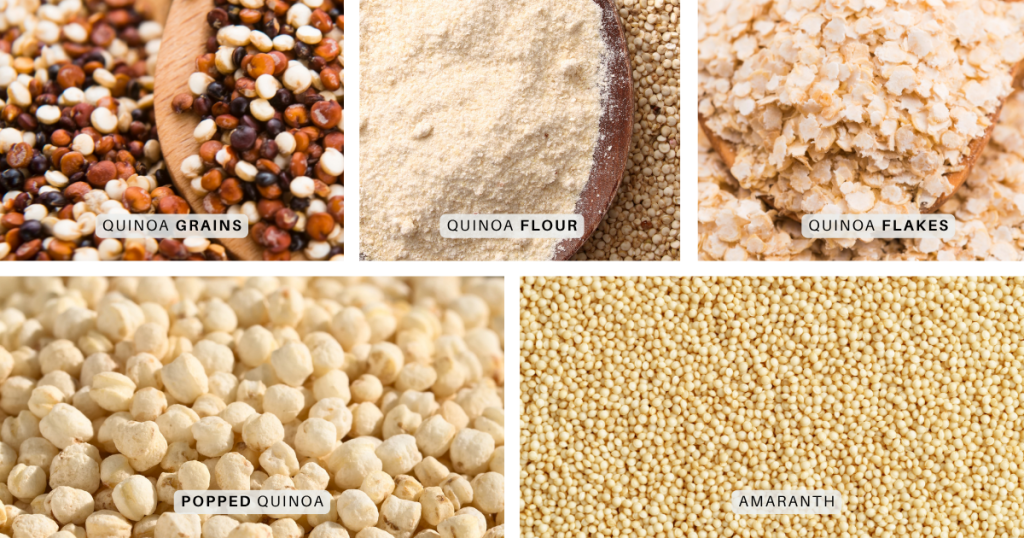
We supply quinoa and amaranth in bulk for food manufacturers and in small packaging for retail and private label.
Request a Quote
Looking for a reliable, traceable source of Andean quinoa and amaranth? Contact NH Superfoods to discuss your specifications, volumes and packaging needs.