
What is Maca?
Maca (Lepidium meyenii Walp.) is a cruciferous root native to the high Andes of Peru. Maca has been cultivated for over 2,000 years in some of the harshest agricultural environments on Earth. Growing at altitudes between 3,500 and 4,500 meters above sea level, maca thrives in extreme conditions characterized by intense sunlight, freezing temperatures, strong winds, and poor soils.
These challenging growing conditions are believed to contribute to the plant’s exceptional nutritional profile and concentration of bioactive compounds.
Today, maca is recognized worldwide as one of the most valued superfoods, appreciated for its ability to naturally support energy, vitality, endurance, and overall well-being.
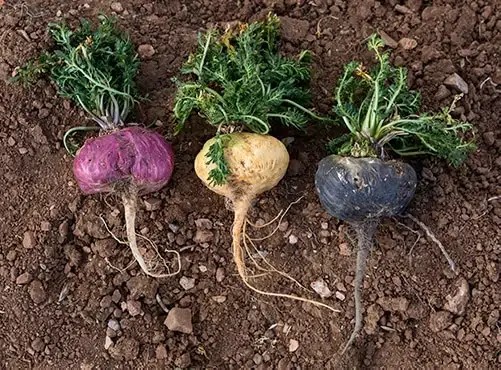
Origin: A Treasure of the Peruvian Andes
Maca is indigenous to the central Andes of Peru, particularly the Junín and Pasco regions. For centuries, it has been cultivated by indigenous communities who have preserved traditional farming methods while respecting the fragile mountain ecosystem.
Historically, maca was considered so valuable that it was often used as a form of tribute during the Inca Empire. The crop became an essential food source for populations living in high-altitude environments where few other plants could survive.
Today, Peru remains the world’s leading producer and exporter of maca, harvesting more than 22,000 metric tonnes of maca root annually. Approximately 80% of its production is exported to more than 55 countries, driven by increasing global demand for authentic Peruvian maca. The regions of Junín and Pasco account for over 65% of Peru’s total production, reinforcing the country’s reputation as the world’s premium source of maca.
Secondly, China has also developed commercial maca cultivation, mainly in Yunnan Province using Peruvian seed introduced in the early 2010s, however it remains a secondary producer. Chinese maca is largely sold in domestic and regional Asian markets and competes primarily on price. Peru remains the global benchmark for premium maca due to its native growing conditions, long cultivation history, and strong quality and traceability systems.
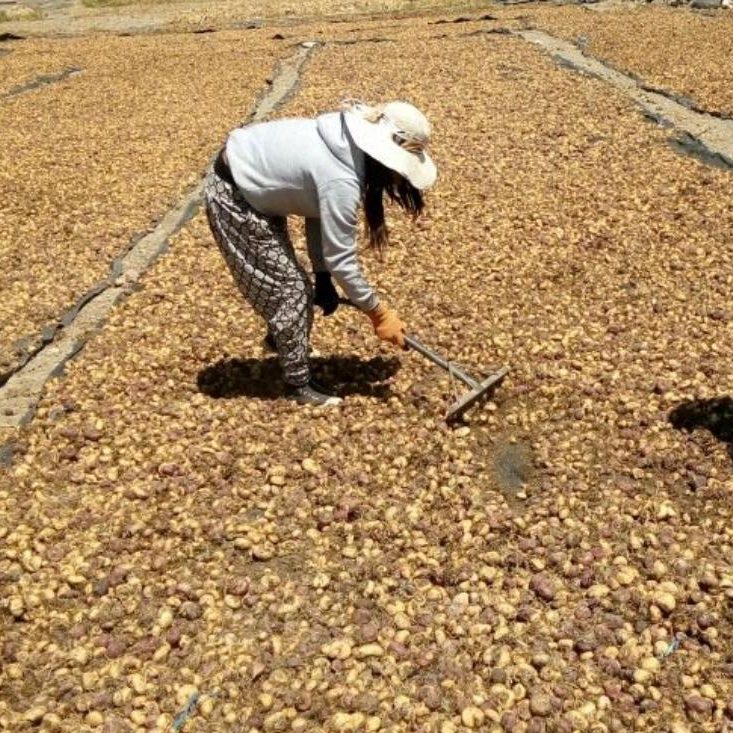
Traditional Uses
For thousands of years, maca has been deeply rooted in Andean culture, where it was valued as both a daily food and a natural source of vitality. Indigenous communities traditionally consumed maca to help sustain physical endurance during long days of agricultural work, increase stamina at high altitudes, and support overall strength and resilience.
Maca also has a long history of traditional use for supporting fertility and reproductive health in both men and women. During the harsh Andean winters, it served as an important nutritional staple, providing valuable nourishment when food sources were limited.
Traditionally, the dried roots were boiled, roasted, or sun-dried before being ground into flour. They were then incorporated into soups, porridges, breads, and beverages, making maca a versatile ingredient in the Andean diet.
Modern Uses of Maca
Today, maca has become a popular ingredient in the global health and wellness industry. It is commonly found in:
- Smoothies
- Protein shakes
- Functional beverages
- Breakfast cereals
- Snack bars
- Dietary supplements
- Plant-based nutrition products
- Sports nutrition formulations
Its mild, malty, slightly caramel-like flavor makes it an excellent addition to both sweet and savory recipes.
Nutritional Value
Maca is naturally rich in complex carbohydrates, making it an excellent source of sustained energy. It also provides plant-based protein, typically around 10–15%, together with dietary fiber and small amounts of healthy fatty acids.
In addition to its macronutrients, maca contains a wide range of naturally occurring minerals and vitamins, including calcium, potassium, magnesium, iron, zinc, copper, and vitamins B1, B2, C, and E, all of which contribute to a balanced diet.
What truly distinguishes maca, however, is its unique profile of bioactive plant compounds. These include macamides, macaenes, glucosinolates, polyphenols, flavonoids, and plant sterols. Researchers continue to study these naturally occurring phytochemicals for their potential role in supporting overall health and well-being.
Health Benefits of Maca
Although research is still evolving, numerous scientific studies suggest that maca may help support overall wellness as part of a healthy lifestyle.
–> Natural Energy Support: Maca is widely appreciated as a natural energy enhancer without the stimulating effects associated with caffeine. Many consumers report improved vitality and reduced fatigue.
–> Physical Performance: Athletes and active individuals frequently incorporate maca into their diets to support:
- Endurance
- Exercise performance
- Recovery
- Physical resilience
–> Cognitive Function: Emerging research suggests maca may contribute to:
- Mental clarity
- Concentration
- Memory
- Focus
–> Hormonal Balance: Maca has traditionally been used to support hormonal health in both men and women. Unlike hormones themselves, maca does not contain phytohormones but may help support the body’s natural endocrine balance.
–> Fertility and Reproductive Health: One of maca’s oldest traditional applications relates to reproductive health. Ongoing scientific research continues to investigate its potential role in supporting fertility, libido, and sexual well-being in both men and women.
–> Antioxidant Properties: The naturally occurring polyphenols and glucosinolates found in maca help provide antioxidant activity, supporting the body’s defenses against oxidative stress.
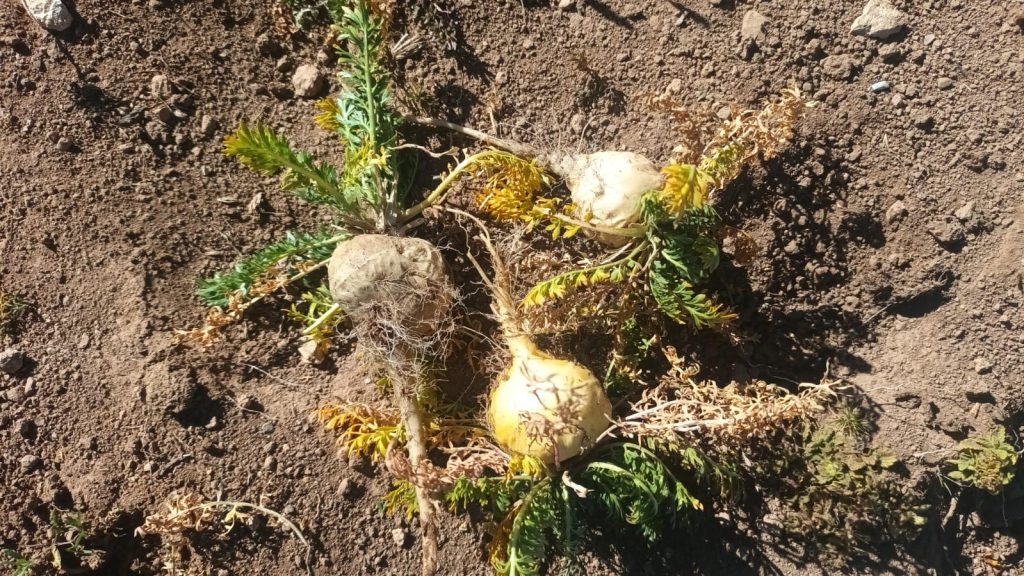
Types of Maca
Although all maca belongs to the same species, the roots naturally occur in different colors. Each variety has developed a unique reputation based on traditional use.
> Yellow Maca:
Yellow maca accounts for approximately 60–70% of the annual harvest, making it the most abundant and widely consumed variety. It offers a mild flavor and a balanced nutritional profile, making it an excellent choice for everyday wellness products.
Because of its versatility, yellow maca is commonly used in smoothies, capsules, functional foods, beverages, and nutritional supplements designed for daily consumption.
> Red Maca:
Red maca is less common and is traditionally associated with women’s health. It contains particularly high levels of natural antioxidants and has a slightly sweeter taste than yellow maca.
Today, red maca is frequently incorporated into women’s wellness products, healthy aging formulations, and premium functional nutrition applications.
> Black Maca:
Black maca is the rarest and often considered the most prized variety. Traditionally, it has been associated with physical endurance, mental performance, strength, and male vitality.
Its robust flavor and premium positioning have made black maca especially popular in sports nutrition products, performance supplements, and formulations targeting cognitive support.
Why Choose NHSuperfoods Maca?
At NH Superfoods, we are committed to providing premium-quality maca sourced directly from Peru’s high-altitude farming communities.
Our maca offers:
- Single-origin Peruvian sourcing
- Full traceability
- Sustainably cultivated
- Available in organic quality
- Carefully processed to preserve its natural nutrients
- Suitable for food manufacturing, nutraceuticals, and functional food applications
Our close partnerships with local producers allow us to guarantee consistent quality while supporting sustainable agricultural practices that benefit farming communities and protect the Andean ecosystem.
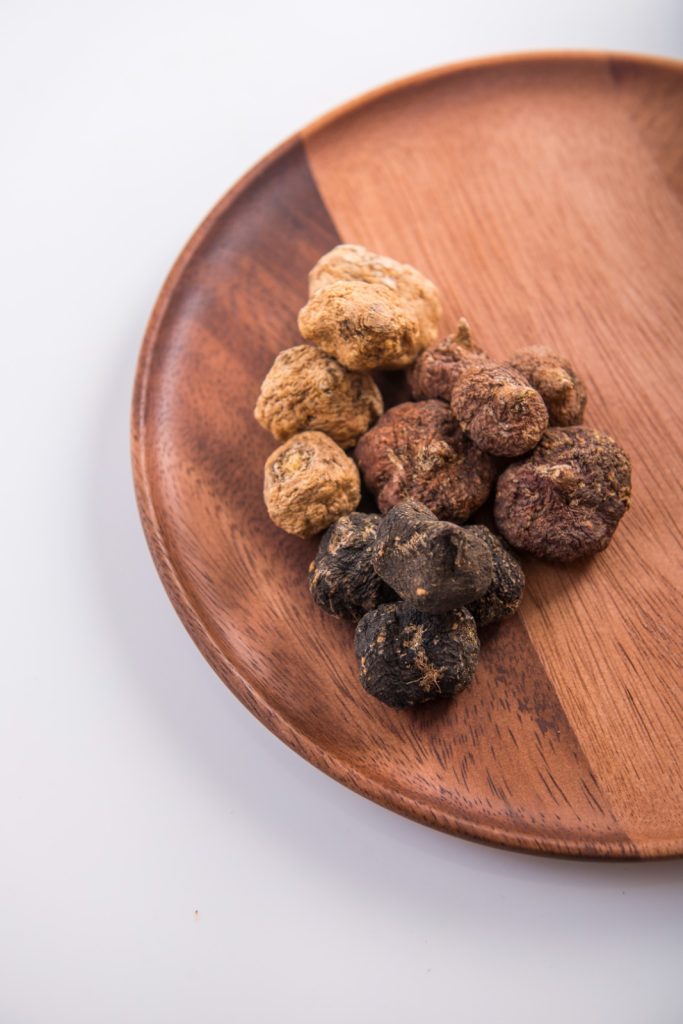
Discover the Natural Power of the Andes
From ancient Inca traditions to modern functional nutrition, maca continues to earn its reputation as one of the world’s most remarkable superfoods. Whether used to support energy, vitality, performance, or overall wellness, this resilient Andean root remains a valuable ingredient for today’s health-conscious consumers.
Explore NH Superfoods’ premium maca ingredients and discover how the natural strength of the Peruvian Andes can enrich your next product innovation.
Sources
Angel M, Nelly Judith P.A, Marten S.; (2025); Chapter 14 – Traditional uses, processes, and markets: the case of maca (Lepidium meyenii Walp.); Eds: Marney P.C, Olivier F.V; In Underground Starchy Crops of South American Origin, Traditional Starch Food Products, Academic Press; 4: 293-311; https://doi.org/10.1016/B978-0-323-90844-3.00006-8.
Global Growth Insights. (2026, January 16). Mercado de Macas. https://www.marketgrowthreports.com/es/market-reports/maca-market-114006#:~:text=Per%C3%BA%20sigue%20siendo%20el%20mayor%20productor%2C%20aportando%20m%C3%A1s,Pasco%2C%20representan%20m%C3%A1s%20del%2065%25%20de%20este%20volumen.
Gustavo F. Gonzales, Carla G., Cynthia G.C.; (2009); Lepidium meyenii (Maca): A Plant from the Highlands of Peru – from Tradition to Science. Forschende Komplementärmedizin / Research in Complementary Medicine;16 (6): 373–380. https://doi.org/10.1159/000264618
Orthokennis Foundation; (2026); Maca; https://www.orthokennis.nl/nutrienten/maca