Soil, Origin & Purpose: Why Regenerative Ground Is the Future of Organic Ingredients
In the organic food industry, quality does not begin in the factory — it begins in the soil.
As European manufacturers prepare for increasingly strict regulations, informed consumers, and the demand for functional nutrition, the conversation around organic ingredients is shifting. Soil health, origin transparency, and regenerative practices are no longer secondary considerations. They are becoming central to how ingredients are selected, evaluated, and trusted.
At NHSuperfoods, we believe that understanding where ingredients come from — and how they are grown — is fundamental to building resilient and future-ready food systems.
Why Soil Health Equals Nutritional Quality
Healthy soil is living soil.
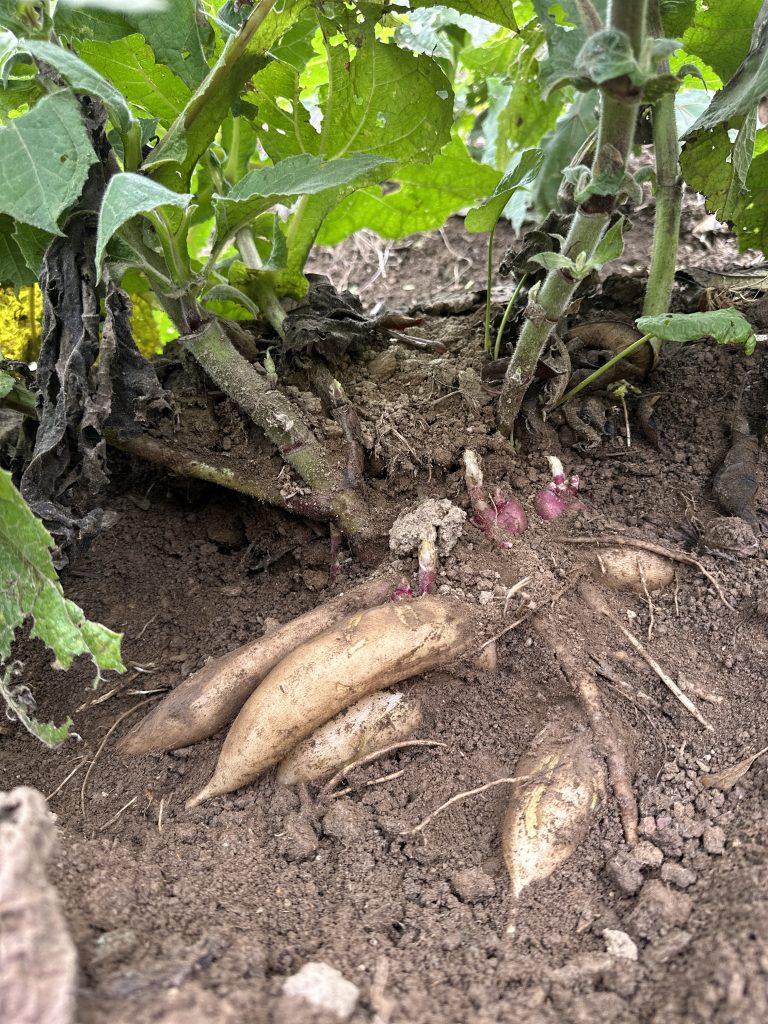
Regenerative and organic soils contain a complex ecosystem of microorganisms, minerals, and organic matter that directly influence plant vitality and nutrient density. When soil is degraded, crops may grow — but their nutritional value is often compromised.
Research and field experience increasingly show that:
- Soil rich in organic matter supports stronger root systems
- Microbial diversity enhances mineral uptake
- Regenerative practices help preserve natural nutrient profiles
For organic ingredients such as grains, cacao, roots, and functional powders, soil quality directly impacts consistency, safety, and nutritional integrity — qualities European manufacturers depend on.
In this sense, soil is not just an agricultural input. It is the first step in product performance.
The Andes: A Natural Engine of Agrobiodiversity
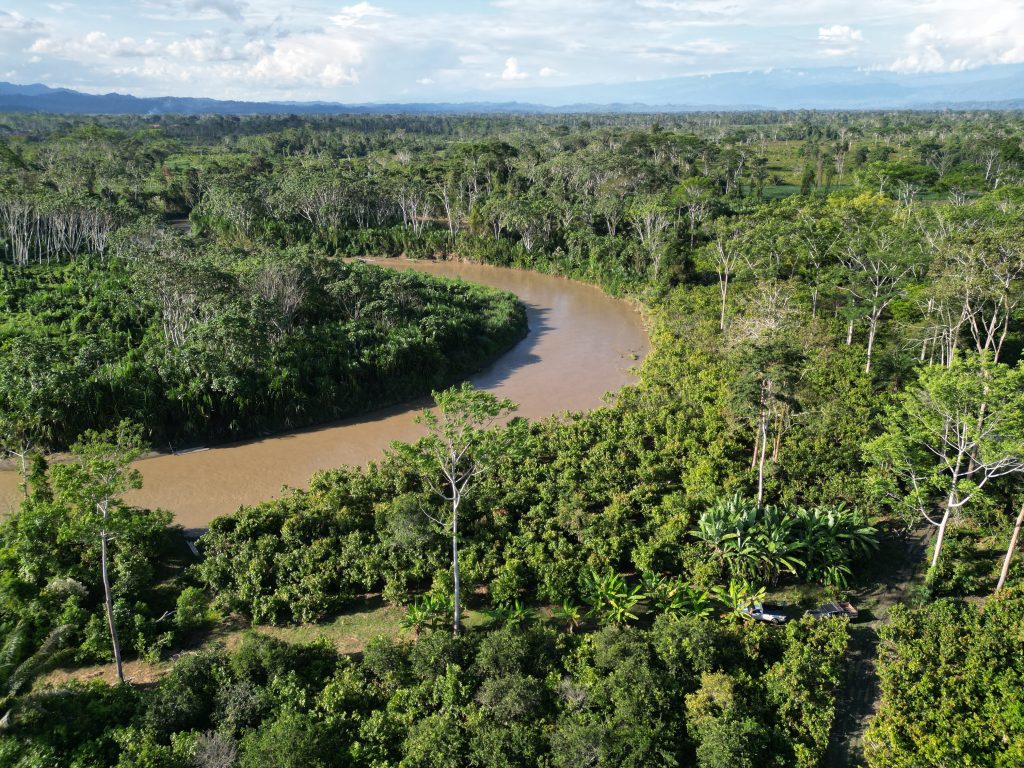
The Andean region is one of the world’s most important centers of agrobiodiversity.
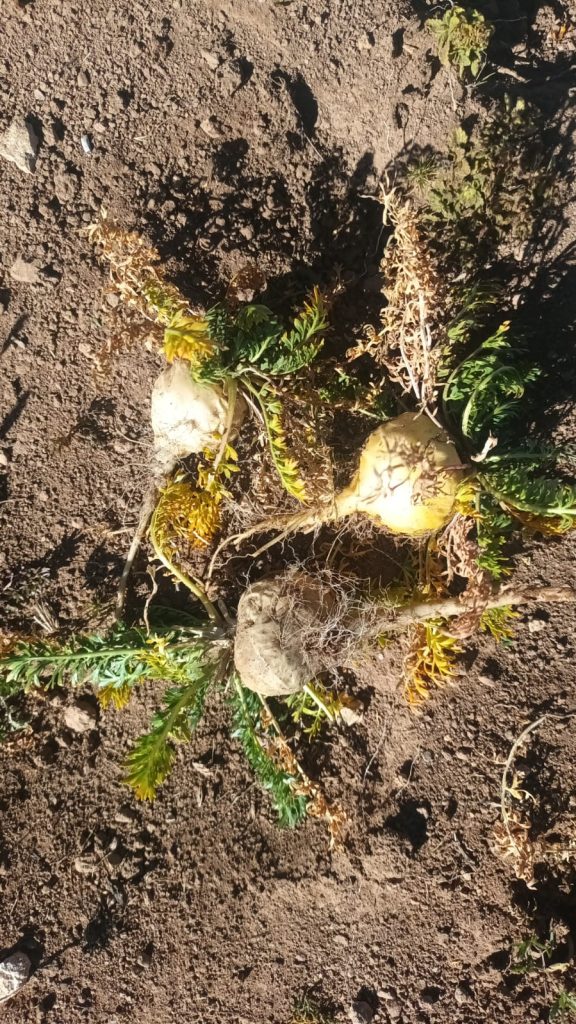
With its varied altitudes, climates, and ancestral farming knowledge, the Andes provide ideal conditions for cultivating resilient, nutrient-dense crops such as quinoa, amaranth, maca, cacao, lucuma, camu camu, and yacón.
Many of these crops have been grown for centuries using low-impact, soil-respecting practices that naturally support biodiversity. This heritage, combined with organic certification standards, allows Andean ingredients to meet modern European demands while preserving their natural integrity.
For NHSuperfoods, sourcing from the Andes is not only about origin — it is about working within ecosystems that naturally support quality, resilience, and sustainability.
From Soil to Warehouse: How NH Superfoods Ensures Traceability
In the European market, traceability is no longer optional — it is essential.
NH Superfoods works closely with producers and partners to ensure clear documentation and transparency across every stage of the supply chain, including:
- Certified organic farming practices
- Clear country and regional origin
- Batch-level traceability
- Quality control from harvest to warehouse
Our office and warehouse in the Netherlands allow us to maintain consistency, compliance, and logistical efficiency while staying closely connected to ingredient origins in Latin America.
This soil-to-warehouse approach ensures that European manufacturers receive ingredients that are not only functional and organic, but also fully aligned with regulatory and quality expectations.
Outlook 2026: The Future of Organic Food Sourcing in Europe
Looking toward 2026, several shifts are becoming clear in European organic sourcing:
- Greater emphasis on regenerative and soil-positive practices
- Increased scrutiny on origin, safety, and contaminants
- Growing demand for functional, plant-based ingredients
- Long-term partnerships over transactional sourcing
Manufacturers are increasingly seeking suppliers who understand both agricultural realities and European market requirements.
The future of organic food innovation will be built by companies that recognize a simple truth: ingredient quality is inseparable from soil health, origin integrity, and responsible sourcing.
At NHSuperfoods, we see soil not only as the foundation of agriculture, but as the foundation of trust.