
From the High Andes to Your Cup
NHSuperfoods’ Peruvian Specialty Coffee
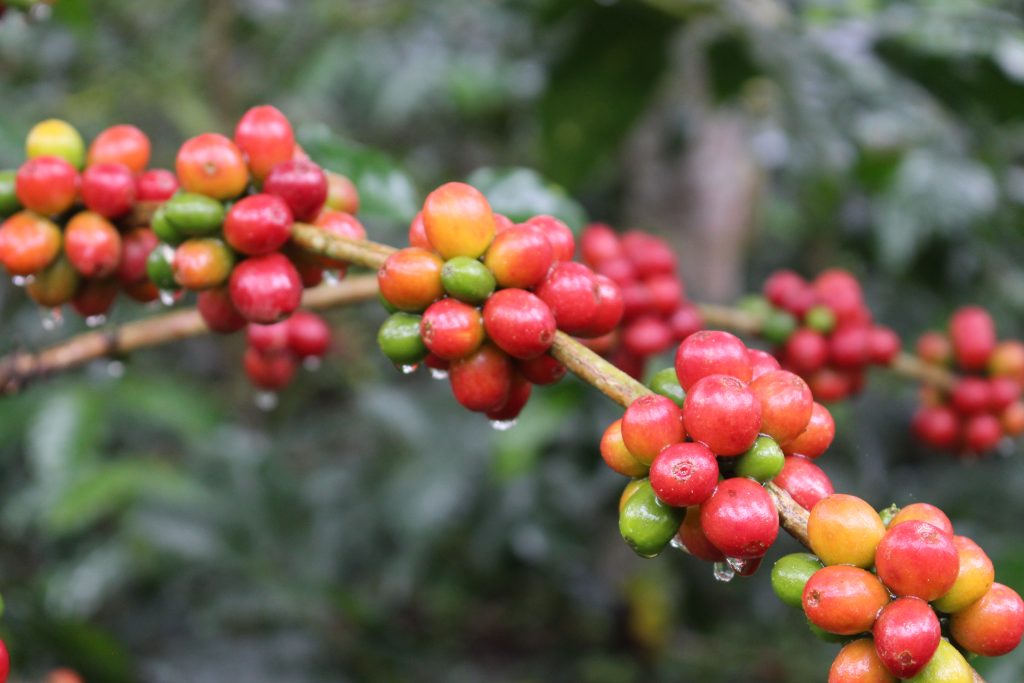
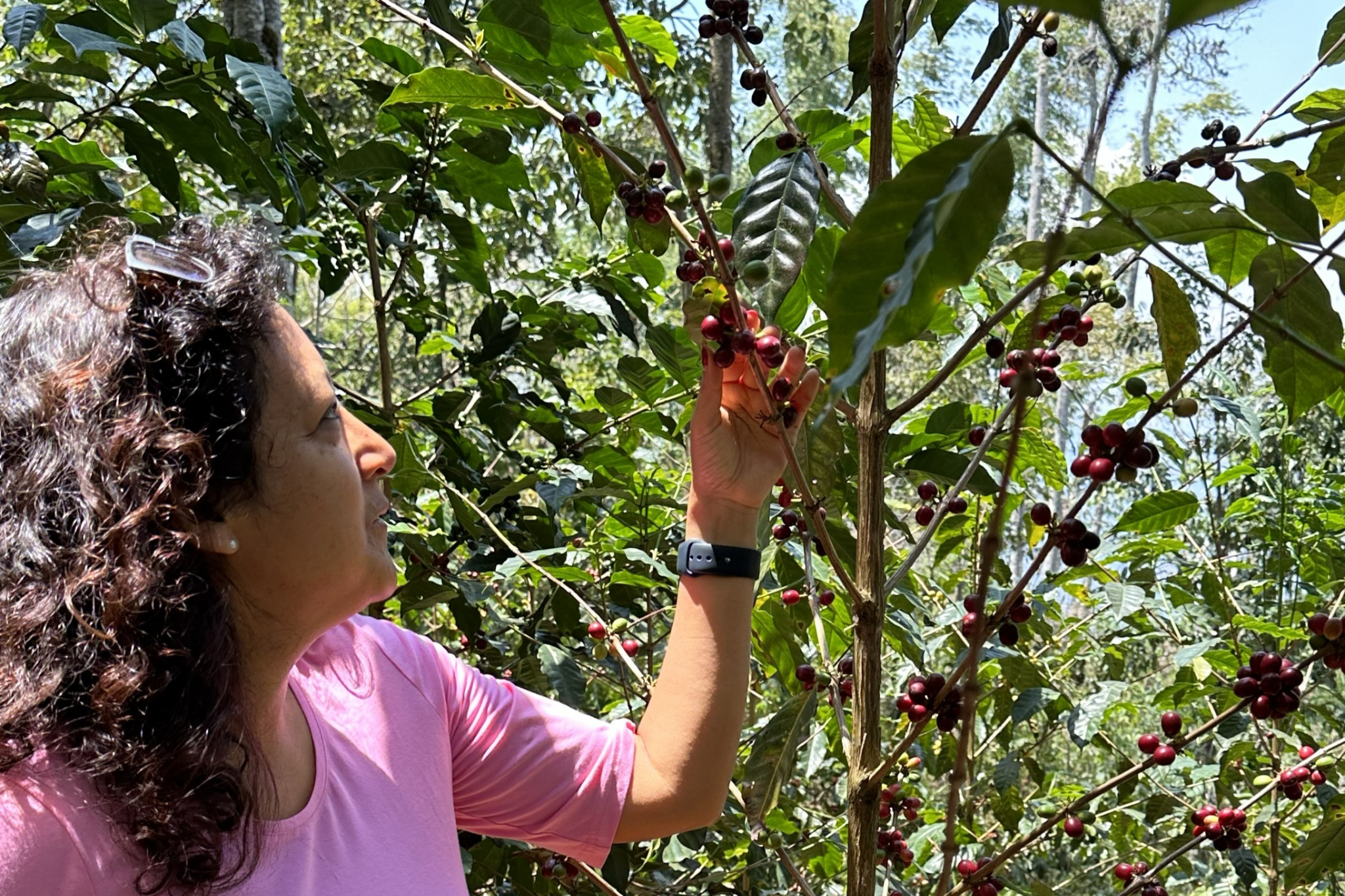
At NHSuperfoods | Cacao | Coffee, every bag of coffee begins with a journey up the mountain. We take the time to meet our suppliers face to face, sitting down with the families who grow the cherries — long before a single bean reaches the roaster.
This report presents insights from our visit at origin and highlights Peru’s transformation within the coffee industry, positioning it today as one of the leading exporters of organic and premium coffees.
Throughout most of the 20th century, Peru was regarded as a consistent but unremarkable source of commodity-grade Arabica, its coffees largely absorbed into blends where origin was indistinguishable. This perception began to change in the early 2000s, as small cooperatives from regions like Cajamarca, San Martín, and Cusco entered prestigious competitions such as the Cup of Excellence. The results surprised buyers: elegant, clean profiles with bright citrus, cocoa notes, and a distinctive clarity born of high-altitude terroir and careful post-harvest practices.
Since then, Peru has steadily built a reputation as one of the world’s leading origins for certified organic coffee. An increasing number of micro-lots are now processed using honey, natural, and fermentation-driven methods — approaches that were virtually absent from the country’s commercial coffee sector just a decade ago. Today, coffee cultivation supports around 223,000 Peruvian families and spans much of the country, with production across approximately 16 of its 25 regions. While the specialty segment still represents a relatively small share of total output, it is growing faster than the conventional market, particularly within the organic category.
Why Peru? Geography, Altitude, and Terroir
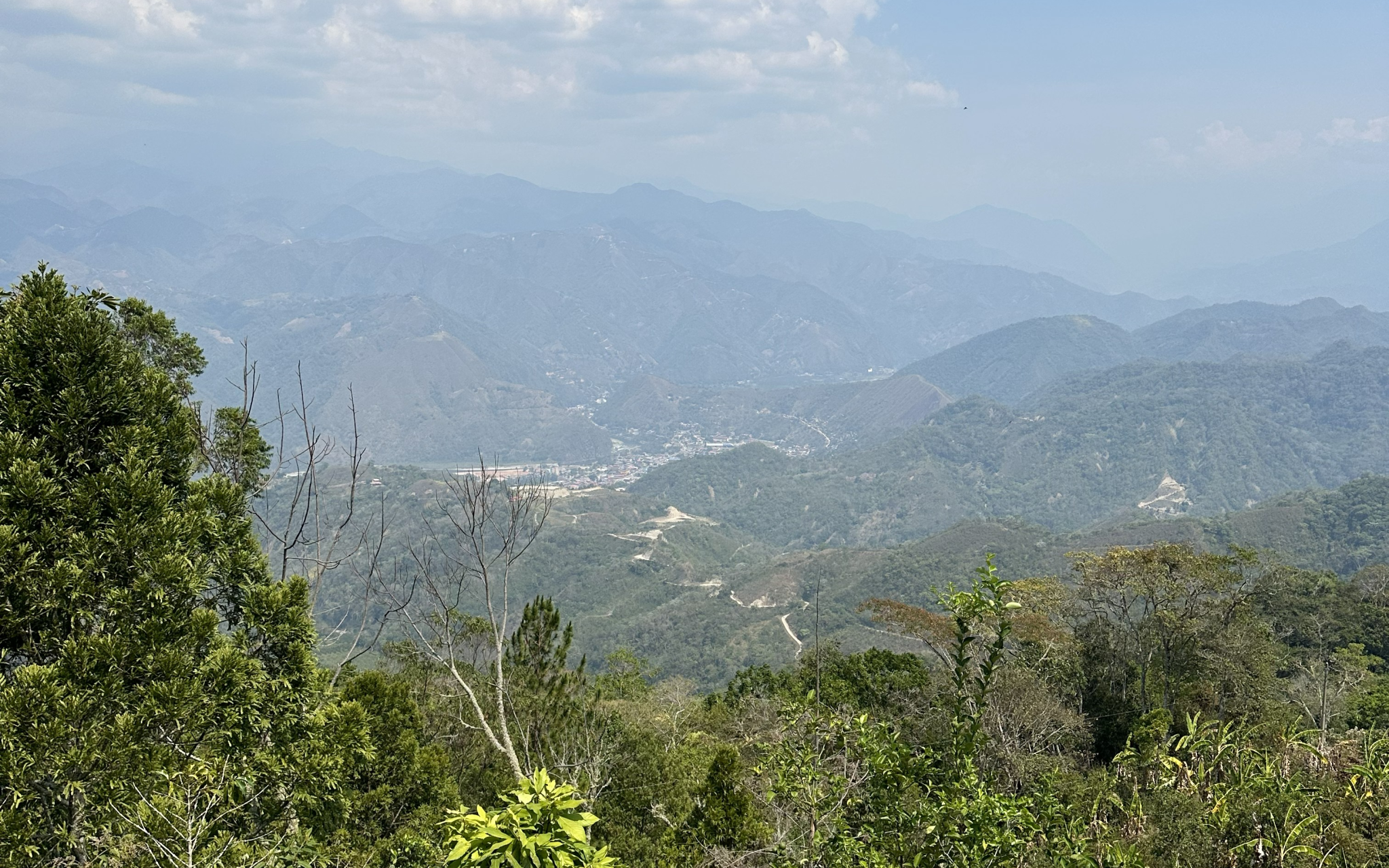
Peru’s coffee belt runs along the eastern slopes of the Andes, the ceja de selva (eyebrow of the jungle), where the mountains drop into the Amazon basin. This creates an extraordinary range of microclimates within short distances: volcanic and mineral-rich soils, consistent rainfall patterns, and — critically — altitude.
NHSuperfoods’ coffee comes from farms located between 1,800 and 2,200 meters above sea level. At these elevations, the thinner air and cooler nights slow the maturation of the coffee cherry. This extended ripening period allows the beans to develop greater complexity — enhancing sugars, acids, and aromatic compounds — resulting in denser beans with brighter acidity, pronounced fruit and floral notes, and a more refined finish.
In addition, these cherries are grown within intact ecosystems of native shade trees. This not only contributes further complexity to the cup, but also helps protect the soil on the steep terrain typical of Andean farms.
Peru’s Coffee-Growing Regions
Coffee is grown in 16 of Peru’s 25 regions, but four account for the vast majority of national production:
– Cajamarca (roughly 22% of national output) — northern Peru, known for fruity, well-balanced cups, often grown on small family plots.
– San Martín (around 20%) — a major hub for organic production and increasingly for experimental processing.
– Junín (around 19%) — central Peru, home to the Chanchamayo and Satipo valleys, some of the country’s oldest coffee-growing zones.
– Amazonas (around 15%) — bordering San Martín, with a strong cooperative tradition and growing specialty presence.
Beyond these four, regions like Cusco, Puno, Ayacucho, and Pasco are increasingly recognized for distinctive high-altitude micro-lots, often grown by indigenous communities on terraces that have been cultivated for generations.
The Varieties Behind the Cup
Peru’s coffee genetics reflect both its long-standing history as a producer and a newer wave of varieties increasingly geared toward the specialty market
- Típica — one of the oldest Arabica varieties grown in Latin America, It produces lower yields but is prized for its sweetness, delicate body, and classic “old world” cup profile.
- Bourbon — a close relative of Típica, often grown alongside it, contributing roundness and sweetness to blends and single-origin lots.
- Caturra and Pache — natural mutations of Bourbon and Típica that are more compact and slightly higher-yielding, common across mid-altitude farms.
- Catimor and other rust-resistant hybrids — derived from crosses between Arabica and the Robusta-based Timor hybrid — are being planted more widely in response to ongoing leaf rust pressure.
- Geisha (Gesha) — originally from the forests of southwestern Ethiopia, Geisha became world-famous for its intensely floral, jasmine-and-citrus character. Peruvian farmers, particularly at higher elevations, have begun planting small parcels of Geisha and are now producing award-recognized micro-lots.
- SL9 — one of the “SL” series varieties prized for vibrant acidity and a wine-like fruit character. SL9 is still rare in Peru tied to specialty programs, and represents the kind of varietal diversification that is helping put Peru on the map alongside more established “exotic variety” origins.
From Cherry to Cup: How Peruvian Specialty Coffee Is Processed
The processing method — what happens to the coffee cherry between picking and drying — has as much influence on the final cup as variety or altitude.
1. Selective hand-picking – Pickers walk the rows picking only fully ripe, red cherries by hand.
2. Floating and sorting Cherries are placed in tanks of water. Underripe, damaged, or insect-affected cherries float and are removed, while dense, ripe cherries sink and move forward for processing.
3. Choosing the path: washed, honey, or natural/anaerobic From here, the cherry’s fate depends on the process:
– Washed (lavado) – The skin and pulp are removed mechanically (depulping), leaving the bean covered in a sticky layer called mucilage. The pulped beans go into fermentation tanks. Naturally occurring enzymes and microorganisms break down the mucilage. Once the mucilage has loosened, the beans are washed in clean water to remove it completely.
– Double washed – some Peruvian producers run the beans through a second washing channel with fresh water after the first wash, ensuring no residual mucilage remains. The clean, wet parchment coffee then moves to drying.
– Honey process – Cherries are depulped as above, but fermentation is skipped or minimized. Instead of washing away the mucilage, some or all of it is left on the parchment during drying. The amount of mucilage retained and the drying speed determine the “color” of honey: yellow honey (least mucilage, fastest drying), red honey (more mucilage, slower drying), and black honey (most mucilage retained, slowest drying, requiring careful turning to avoid mold). The result is a sweeter, fuller-bodied cup than washed coffee, with the clarity of a washed process but added syrupy texture.
– Natural and anaerobic (fermentation-forward) processes In a natural process, whole cherries are dried with the fruit still intact, fermenting slowly as they dry and imparting heavy fruit and wine-like character.
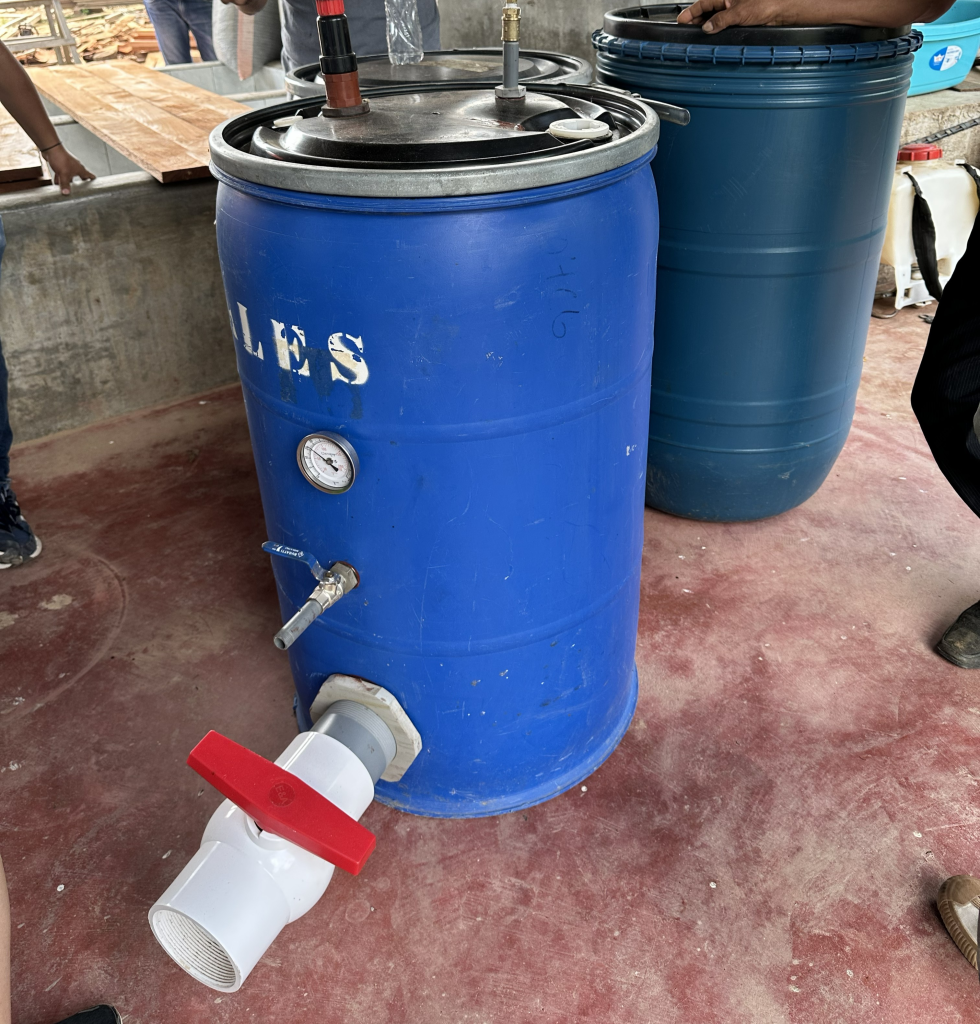
– In an anaerobic process, whole cherries (or sometimes depulped beans) are sealed inside airtight tanks or bags, often with added weight to push out oxygen. In this low-oxygen environment, fermentation proceeds differently than in open-air fermentation — typically slower and producing different acids and aromatic compounds — for anywhere from 24 to over 100 hours, depending on the desired profile. Producers monitor temperature and pH closely.
– Double fermentation takes this further: the cherry undergoes one fermentation stage (often anaerobic, in whole cherry), is then depulped, and undergoes a second fermentation stage (often in water, similar to a washed fermentation) before washing and drying. This two-stage approach lets producers build layered flavor — for example, a tropical-fruit character from the first stage and a cleaner acidity from the second — and is one of the more technical processes now being trialled on Peruvian micro-lot farms aiming for the top end of the specialty market.
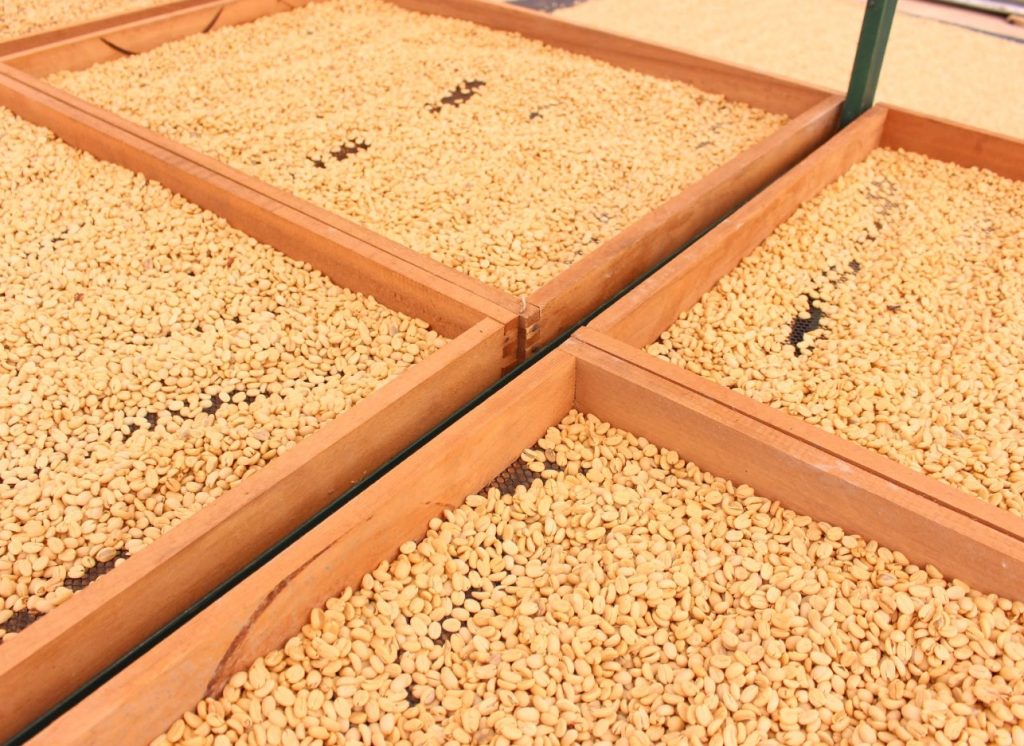
4. Drying Whichever path the coffee takes, it’s dried slowly — usually on raised mesh beds or concrete patios — over one to three weeks depending on the process and weather, and turned regularly by hand to ensure even drying and prevent mold. Coffee is dried to roughly 10-12% moisture content before being rested in parchment.
5. Resting, hulling, and sorting Dried parchment coffee is rested for several weeks to allow moisture to stabilize throughout the bean, then milled (hulling removes the parchment layer), graded by size and density, and hand-sorted to remove defects before export.
Whichever path the coffee takes, it’s dried slowly — usually on raised mesh beds or concrete patios — over one to three weeks depending on the process and weather, and turned regularly by hand to ensure even drying and prevent mold. Coffee is dried to roughly 10-12% moisture content before being rested in parchment.
Interested in Sourcing Peruvian Specialty Coffee?
Looking to source high-quality Peruvian coffee for your roastery or business? We’d be happy to connect and share more about the varieties and regions we work with. Contact our team at info@nhsuperfoods.com to explore our current offerings.
- Disclaimer : The information provided in this document is for informational purposes only. While the content has been compiled from sources believed to be reliable, no representation or warranty, express or implied, is made regarding its accuracy, completeness, or correctness. Readers are responsible for reviewing, analysing, and verifying all regulatory requirements independently to avoid misunderstandings. The information and statements herein are shared in good faith and should not be considered legal advice.