Understanding the El Niño Phenomenon: Global Climate, Agriculture, and Market Implications – El Niño Outlook for 2026
The El Niño–Southern Oscillation (ENSO) is a natural climate cycle driven by temperature shifts in the tropical Pacific Ocean. It has three phases — each reshaping rainfall, temperature, and storm patterns across the entire planet.
Why “El Niño”
The name dates to the 1800s, when Peruvian and Ecuadorian fishermen noticed unusually warm coastal waters arriving around Christmas every few years — disrupting fish populations. They named it El Niño, Spanish for “the boy child,” a reference to the Christ child.
Three Phases of ENSO
- El Niño — warm Pacific waters, disrupting global weathe
- La Niña — cooler waters, opposite effects on rainfall patterns
- Neutral — near-average conditions across most regions
El Niño Outlook for 2026
NOAA’s April 2026 climate forecast indicates El Niño is likely to develop between May and July 2026, with a one-in-three chance of becoming a strong event. Climate Prediction Center
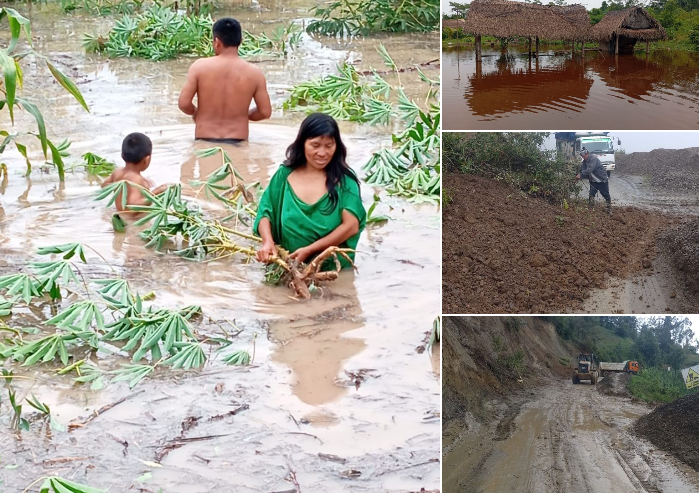
A strong El Niño could rapidly reverse the current cacao “surplus” narrative, as its effects vary significantly by producing region. In West Africa, hotter and drier conditions can reduce yields and bean size; along South America’s Pacific coast, excessive rainfall and flooding may increase black pod disease pressure; while in parts of Asia, irregular rainfall patterns can disrupt flowering, pod development, and harvest consistency. Together, these regional disruptions can quickly tighten global supply and reshape market dynamics.
El Niño is far more than a weather phenomenon — it is a direct supply chain risk for global cacao and agricultural ingredients. Extreme drought or excessive rainfall can lower productivity, reduce farmer incomes, and compromise crop quality. Unstable weather also disrupts critical post-harvest processes such as fermentation, drying, and storage, increasing defects and limiting access to premium-grade ingredients. Without resilient post-harvest infrastructure, supply chains face greater logistical disruptions, reduced reliability, and heightened price volatility across international markets.
Climate‑Resilient Post‑Harvest Systems
Strengthening post‑harvest infrastructure is one of the most effective ways to protect cacao quality during climate disruptions.
Raised drying beds improve airflow and prevent contamination, while sheltered fermentation areas keep temperature and humidity stable even during heavy rain or extreme heat. Adding covered solar dryers, proper drainage, moisture‑control tools, and protected storage areas further reduces defects and ensures consistent flavour throughout the season.
In many producing countries, governments activate preparedness measures as El Niño develops. For farming communities, these mechanisms can be critical buffers against economic loss.
At NHSuperfoods, we recognize that climate volatility — including events like El Niño — places enormous pressure on farming communities at origin. That is why we work closely with our partners to strengthen resilience across the entire post‑harvest chain. Our commitment goes beyond sourcing ingredients; it is about supporting the people behind them.